
Eat Your Skincare: The Bone Broth Edit
- Mar 8
- 4 min read


Skincare is a much bigger conversation than what we put on our faces.
Most of the beauty industry focuses on topical products — serums, moisturizers, actives — but the truth is your skin is an organ. In fact, it’s your largest organ. Like every other organ in your body, its health is influenced by what you eat, your nutrient status, inflammation levels, and how well your body is able to repair and rebuild tissue.
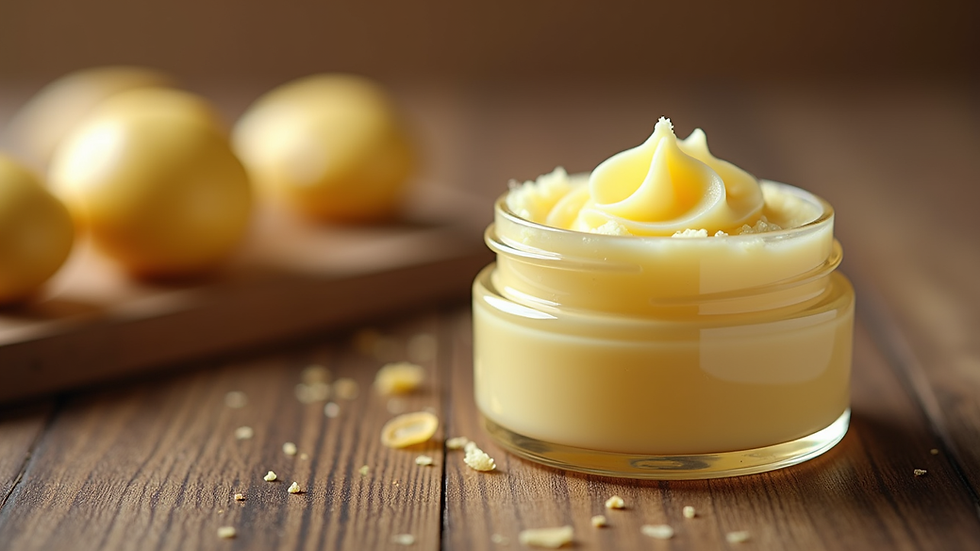
As someone who formulates nourishing, tallow-based skincare for Lineage Natural Cosmetics, I spend a lot of time thinking about the skin barrier — how lipids behave, how moisture is retained, how we support skin externally.
But that barrier is built internally long before it’s protected externally.
Lately I’ve also been trying to be really intentional about the food I’m eating. That’s where bone broth comes in.
Bone broth supports the structural side of skin health — collagen, amino acids, and minerals that help build the very tissue our skin is made from.
Why Bone Broth Supports Healthy Skin
Bone broth has been used traditionally for centuries, and when you look at what it contains, it makes a lot of sense why it’s often associated with healthy skin.
Collagen + Gelatin
When bones and connective tissue are simmered slowly, collagen breaks down into gelatin. Collagen is the structural protein that gives skin firmness and elasticity. As we age, natural collagen production declines, which contributes to thinning skin and wrinkles.
The amino acids released during cooking — particularly glycine, proline, and hydroxyproline — are building blocks your body uses to produce collagen.
Amino Acids for Tissue Repair
Bone broth contains glycine, proline, and glutamine. These amino acids support tissue repair, cellular regeneration, and overall skin structure. Skin is constantly renewing itself, and these compounds help support that process.
Minerals
Slow simmering extracts minerals like calcium, magnesium, potassium, and phosphorus from the bones. These minerals support proper cellular function, hydration balance, and skin health.
Gut–Skin Connection
Bone broth also supports the digestive system because of its gelatin and amino acid content. The health of your gut and the health of your skin are closely connected — when digestion and nutrient absorption improve, skin often reflects that.
The Bone Broth I Make at Home
One of the richest sources of collagen for broth is chicken feet. They’re almost entirely connective tissue, which means when they simmer for a long time they release a huge amount of gelatin and collagen into the broth.
When done properly, the broth will actually gel in the fridge — which is a great sign of its collagen content.
Here’s the version I like to make.
Ingredients
2–3 pounds chicken feet
2 carrots, chopped
2 celery stalks, chopped
1 onion, quartered
3 cloves garlic
1–2 inches fresh ginger, sliced
2 bay leaves
1 tablespoon apple cider vinegar
Sea salt to taste
Water to cover
Optional additions that work well:
parsley stems
black peppercorns
thyme sprigs
turmeric root
Why Each Ingredient Matters
Chicken Feet
Chicken feet are incredibly rich in collagen because they contain so much connective tissue, cartilage, and tendons. When simmered slowly, they release gelatin and amino acids that support collagen production and skin structure.
Carrots
Carrots contain beta-carotene, which converts into vitamin A in the body. Vitamin A plays an important role in skin cell turnover and maintaining healthy skin tissue.
Celery
Celery contributes minerals like potassium and magnesium that support hydration balance and cellular function.
Onion
Onions contain sulfur compounds that support detoxification pathways and collagen formation. Sulfur is an important mineral for connective tissue.
Garlic
Garlic contains sulfur and antioxidants that support immune function and reduce inflammation.
Ginger
Ginger contains compounds like gingerol that have anti-inflammatory and digestive-supporting properties. Supporting digestion helps improve nutrient absorption, which benefits the skin.
Bay Leaves
Bay leaves contain antioxidants and plant compounds that support overall cellular health while adding depth of flavor to the broth.
Apple Cider Vinegar
The vinegar helps pull minerals and collagen from the bones during cooking, making the broth more nutrient-dense.
How to Prepare the Chicken Feet
Chicken feet need a little preparation before cooking.
First, rinse them well under cold water. Then use kitchen scissors to snip off the tips of the toes, removing the nails. This step is important for both cleanliness and texture.
Once cleaned and trimmed, they’re ready to cook.
How to Make Bone Broth (Step by Step)
Optional: Roast the chicken feet
Roasting adds depth of flavor. Spread the feet on a baking sheet and roast at 400°F (200°C) for about 30 minutes.
Add everything to a large pot
Place the chicken feet, vegetables, garlic, ginger, and herbs into a large stock pot.
Add water and vinegar
Cover everything with water and add the apple cider vinegar.
Bring to a boil
Bring the pot to a gentle boil, then reduce to a low simmer.
Simmer slowly
Let the broth simmer for 12–24 hours. The longer it cooks, the more collagen and nutrients are extracted.
Skim if needed
Occasionally skim off foam that rises to the surface.
Strain the broth
Remove bones and vegetables once cooking is finished.
Cool and store
Let the broth cool and store in glass jars in the fridge. A properly made broth will gel slightly when chilled.
You can sip it warm, use it in soups, cook rice with it, or use it as a base for almost any savory dish.
Why I Keep Bone Broth in My Routine
Bone broth isn’t trendy or glamorous. It’s simple, traditional food.
But when you look at how it supports collagen structure, mineral balance, gut health, and tissue repair, it fits perfectly into the bigger conversation about skin health.
At Lineage Natural Cosmetics, I formulate products that support the skin barrier from the outside. But that barrier isn’t just something we coat — it’s something we build.
When you consistently nourish your body with collagen, amino acids, minerals, and healthy fats, your skin reflects that.
Less reactive.
More resilient.
Stronger over time.
Because skincare starts in the kitchen.
Love,
Lia


Comments