

Your Moisturizer Isn’t Broken — It’s Just Mostly Water
- Jan 7
- 3 min read
Before I started making skincare — and long before I started using tallow — I used any moisturizer I could find in the drug store. Light lotions, pretty packaging, and of course highly fragranced.
And I remember this exact feeling:
You put moisturizer on… and within five minutes it feels like it’s just gone.
Once I started learning more about ingredients — and eventually formulating my own products — I realized why that happens so often….
Most skincare is made mostly of water.
Why So Many Moisturizers Feel Like They “Disappear”
This is something I explain all the time when people come to my booth at markets:
“You know when you put moisturizer on and five minutes later it feels like it’s floated away?
That’s because it’s mostly water.”
Most conventional lotions and creams are made up of 60–80% water. Sometimes more.
Water is cheap, easy to work with, and gives products that lightweight feel people are used to — but it doesn’t actually nourish the skin on its own.
Once water evaporates (which it does quickly), there’s often very little left behind to support your skin barrier.
That’s when people feel dry again… and reach for more product.
What Waterless (Anhydrous) Skincare Actually Is
Waterless skincare — also called anhydrous skincare — simply means there’s no added water in the formula.
Instead of being diluted, these products are made entirely from oils, fats, waxes, and botanicals that actually do something for your skin. Every ingredient has a job.
When I switched to waterless, tallow-based skincare, I noticed my skin felt calmer and more balanced. I wasn’t constantly reapplying. I wasn’t chasing hydration all day.
It finally made sense.
Why Skin Responds So Well to Waterless Skincare
Your skin already contains water. What it needs to stay healthy is lipids — the natural fats that help hold moisture in and protect the skin barrier.
This is where tallow skincare really shines.
Grass-fed & finished tallow is incredibly compatible with human skin. It absorbs well, supports the barrier, and helps prevent moisture loss instead of temporarily masking it.
That’s why waterless skincare works especially well for:
Dry or sensitive skin
Skin that feels tight or reactive
Mature skin
Anyone who feels like lotion “never works”
It Feels Richer — But You Actually Use Less
This part surprises a lot of people.
Waterless skincare can feel richer at first, especially if you’re used to lotions. I used to think that meant I’d go through product faster.
The opposite happened.
Because there’s no water evaporating away, you need far less. A small amount warmed between your fingers and pressed into the skin goes a long way.
Over time, I noticed I was using less product overall — and my skin felt better, not heavier.
Rich doesn’t mean greasy.
It means concentrated.
A Simpler Way to Care for Skin
Waterless skincare isn’t about doing more. It’s about doing less — but better.
Fewer ingredients.
Less dilution.
More intention.
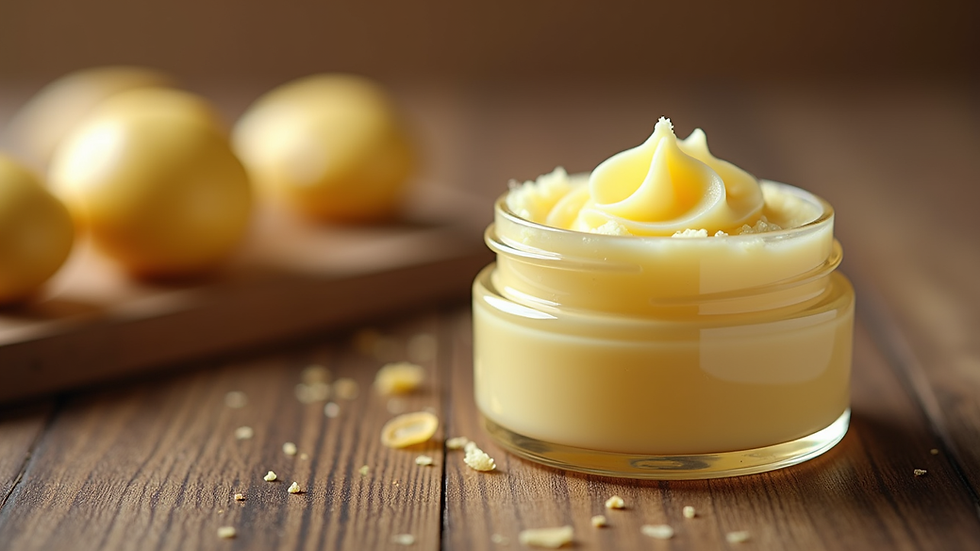
If you’re curious about waterless skincare, a really good place to start is with our Fog Tallow Whip.
It’s waterless, deeply nourishing, and designed to support the skin barrier instead of disappearing a few minutes after you apply it.
I also don’t use water to remove my makeup. Instead, I use an oil-based cleanser that gently dissolves makeup and daily buildup without stripping the skin or leaving it feeling tight.
Our Sweet Citrus Cleansing Oil does exactly that — it cleans while still respecting your skin’s natural oils.
Simple, effective, and a great way to ease into waterless skincare.
Final Thoughts
Waterless skincare isn’t about trends or perfection. It’s about understanding what your skin actually needs — and what it doesn’t.
If you’ve ever felt like your moisturizer disappears, or like you’re constantly reapplying without real results, this might be why.
Sometimes, less really is more.
Love,
Lia


Comments